How to Prevent Mold After a Flood (Before It Gets Worse)
Florida weather isn’t subtle. One day it’s bright and sunny, the next, a storm has dumped feet of water into your home. Flooding can come from a heavy rain event, a backed-up drain, a failed pipe, or a roof leak. In Florida, it’s not if water gets in, it’s when.
But let’s be real: water damage recovery isn’t just about extracting water and drying carpets. The most expensive and dangerous issue comes after the water is gone: mold.
The Clock Starts Sooner Than You Think
You might think that once the water is gone, the risk is over. But that’s not how mold works.
According to the CDC, mold can start growing within 24–48 hours after water exposure — and Florida’s heat and humidity only accelerate that process.
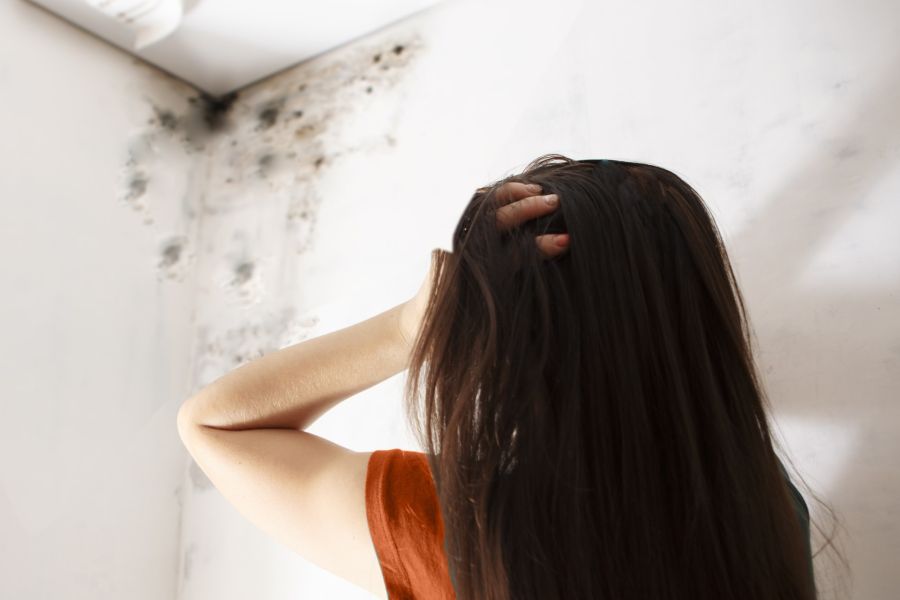
Here’s the tricky part: mold often starts behind the scenes — inside walls, under flooring, in insulation — before you see or smell anything. And once it’s established, it can damage materials, trigger health issues, and lead to expensive repairs.
One of our recent clients in Bradenton had minor flooding from a storm. They dried out the carpets and thought they were “fine.” Two weeks later, a musty smell appeared, and mold was found in multiple wall cavities. What could have been a quick fix turned into thousands of dollars in remediation and reconstruction.
That’s the danger of waiting.
Why Acting Quickly Saves You Time and Money
Ignoring the early signs or delaying professional help means:
-
Mold spreads deeper into your home
-
Damaged materials (drywall, wood, insulation) may need full replacement
-
Health symptoms like allergies and respiratory irritation become more likely
-
Insurance claims become more complicated
The longer moisture lingers, the worse the problem becomes.
What You Should Do First After a Flood
Here’s what Florida homeowners need to do right away — not later, not “when there’s time,” but immediately:
-
Extract standing water with professional equipment
Consumer-grade fans and shop vacs aren’t enough after significant flooding. -
Dry and dehumidify aggressively
In Florida’s climate, dehumidifiers and continuous AC are crucial to remove moisture from the air and inside building materials. -
Check hidden areas for moisture
Behind baseboards, under cabinets, inside closets and walls — mold loves places you don’t think about. -
Disinfect the affected space
Floodwater isn’t just water — it often carries bacteria and contaminants that need professional cleaning. -
Schedule a professional moisture inspection
Moisture meters and infrared cameras find what the eye can’t — and that’s where prevention happens.
Florida Homes Are Especially Vulnerable
Florida isn’t like a dry climate where you might get a few days to react.
We have:
-
Year-round humidity
-
Warm temperatures that feed mold growth
-
Frequent rain events and storms
-
Older homes with aging infrastructure
All of these factors make mold not just likely — but practically inevitable — if moisture isn’t removed fast.
The Best Defense Against Mold
So what’s the single most important action after water damage?
Act immediately — within the first 24–48 hours.
Moisture control first. Repairs later. That’s how you keep mold from taking hold.
At True Clean Emergency Restoration, we help Florida homeowners:
-
Extract water quickly and thoroughly
-
Dry and dehumidify with professional-grade technology
-
Inspect for hidden moisture and early mold threats
-
Treat and prevent mold growth before it spreads
We’re local, we’re experienced, and we know exactly how fast mold can escalate in Florida homes.
Flooding happens. Mold doesn’t have to.
Call us at (954) 982-8620 to stop mold before it starts.

-Logo.wine.svg)